Funeral Etiquette for Sharing Memories with Family in Grief
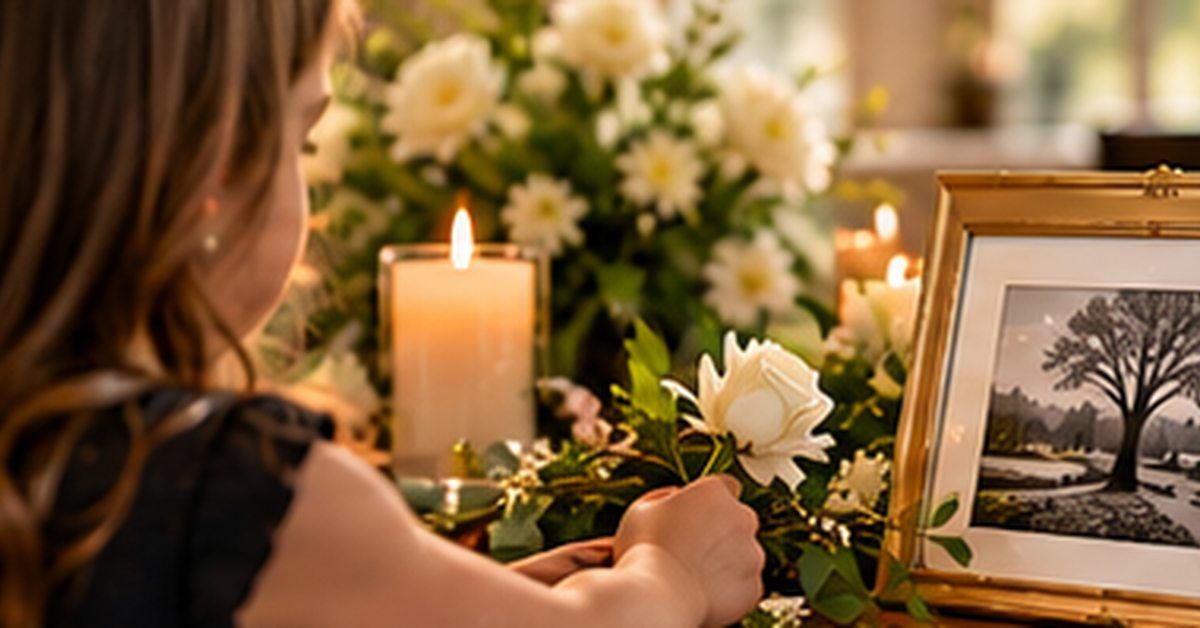
Sharing a memory can bring warmth to a difficult gathering, but timing and sensitivity matter. Families working with a funeral Home Rio Bravo, TX may welcome stories that reflect a loved one's character, relationships, values, and everyday life. Before speaking, consider the family's emotions and the setting. A brief, sincere memory often provides more comfort than a lengthy story, especially when relatives are experiencing the earliest stages of grief.
Let the Family Set the Tone
Every family approaches remembrance differently. Some may enjoy hearing stories throughout a visitation or gathering, while others may prefer quieter expressions of support. Pay attention to the atmosphere and follow the family's lead. If relatives are actively sharing memories, joining the conversation may feel natural. If they seem overwhelmed or reserved, a few kind words of sympathy may be more appropriate.
Choose Stories With Care
A thoughtful memory should help relatives remember their loved one with affection and dignity. Stories about kindness, humor, dedication, friendship, traditions, or meaningful moments can provide a welcome sense of connection. Avoid stories that could embarrass the family, reveal private information, or introduce unresolved disagreements. The goal is not simply to tell an interesting story. It is to offer something meaningful that respects the person being remembered.
Keep Personal Memories Focused
Grief can make conversations emotionally demanding, so concise storytelling is considerate. Instead of describing every detail of an experience, focus on the part that reveals something special about the person's life. You might recall a generous habit, a favorite family tradition, or a moment when the person offered encouragement. A focused story gives relatives room to respond, reflect, or share memories of their own.
Know When to Share a Memory
There are several respectful ways to decide whether a particular moment is suitable for sharing. Consider these simple etiquette cues:
- During conversation: Share when relatives invite stories or begin reminiscing themselves.
- During a formal tribute: Speak only when invited or when participation has been arranged beforehand.
- In a written message: Keep the memory personal, sincere, and easy for the family to revisit later.
- Online: Follow the family's preferences before posting personal stories or photographs publicly.
These approaches give grieving relatives greater control over how memories become part of their remembrance.
Listen as Much as You Speak
Good funeral etiquette includes listening. A family member may respond to your story by recalling another moment or expressing an emotion they have been carrying. Allow the conversation to develop without rushing to fill every silence. Quiet attention can communicate respect just as effectively as spoken words. Listening also prevents the exchange from becoming centered on the guest rather than the grieving family.
Respect Different Expressions of Grief
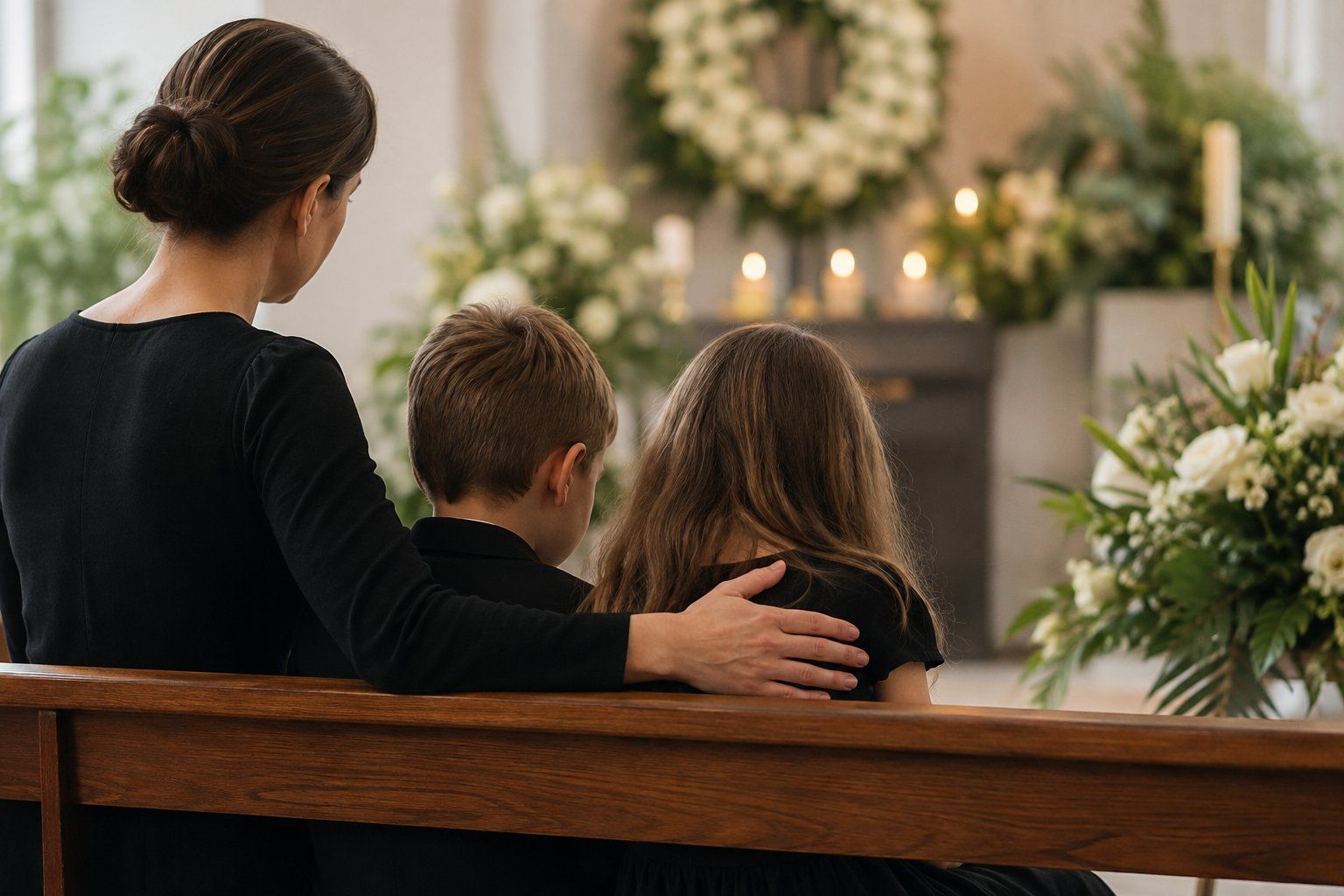
People within the same family can respond to loss in very different ways. One relative may find comfort in storytelling, while another may not feel ready to reminisce. Neither response needs to be corrected. Avoid pressuring someone to talk, laugh, or participate. Respecting individual reactions helps create an environment where family members can experience remembrance at their own pace.
Consider Cultural and Family Traditions
Family customs, faith traditions, and personal preferences may influence when and how stories are shared. When you are unfamiliar with those expectations, observe what close relatives are doing or politely ask whether sharing a memory would be welcome. The funeral provider's website emphasizes personalized services and meaningful remembrance experiences, reflecting the importance of honoring individual wishes and traditions.
Offer Support Beyond the Gathering
Memories can remain meaningful well after formal gatherings have ended. In the following weeks, consider sending a short note recalling a positive story or simply checking in with the family. Continued support can matter because grief does not follow a fixed schedule. The provider also offers ongoing grief resources, reinforcing that families may need care and connection beyond the day of a service.
Frequently Asked Questions
Is it appropriate to share a funny memory?
Yes, when the story is respectful and fits the family's mood. Gentle humor can bring comfort when it celebrates the person's character without causing embarrassment.
What should I do if I become emotional while sharing?
Take your time. A sincere emotional response is natural. You can pause, shorten the story, or allow another person to continue the conversation.
Should I share a memory online?
Consider the family's privacy first. A story that feels appropriate in a private conversation may not be suitable for a public post.
What if I did not know the person very well?
You do not need a detailed story. A simple expression of sympathy and support can be thoughtful and meaningful.
Compassionate Guidance for Meaningful Remembrance
When your family needs thoughtful support in creating a remembrance that reflects a loved one's life, Gamez & Sons Funeral and Cremation Services provides personalized guidance with dignity and care. Learn more about our services and how we can help your family honor meaningful memories. For compassionate assistance from a funeral Home Rio Bravo, TX, contact our team at (956) 701-3459 and take the next step with caring professional support.